Snorkeling In Cozumel
Visitor Guide

Snorkeling in Cozumel National Marine Park

Cozumel National Marine Park protects 29,066 acres of Caribbean reef and seagrass beds along the island's southwestern coast. The park operates daily from 06:00 to 22:00, with a 225 MXN conservation fee required for all in-water activity. Morning arrivals offer the calmest conditions and fewer crowds.

8 min read Updated 2026-09-28 Fact-checked
Snorkeling in Cozumel National Marine Park

Quick answer

Snorkeling in Cozumel National Marine Park requires a 225 MXN conservation fee per person per day of in-water activity. The park is open daily from 06:00 to 22:00, with the best snorkeling conditions between 06:00 and 10:00 before cruise ship groups arrive and wind picks up. The fee supports reef monitoring, mooring buoy maintenance, and enforcement of the park's no-touch regulations.

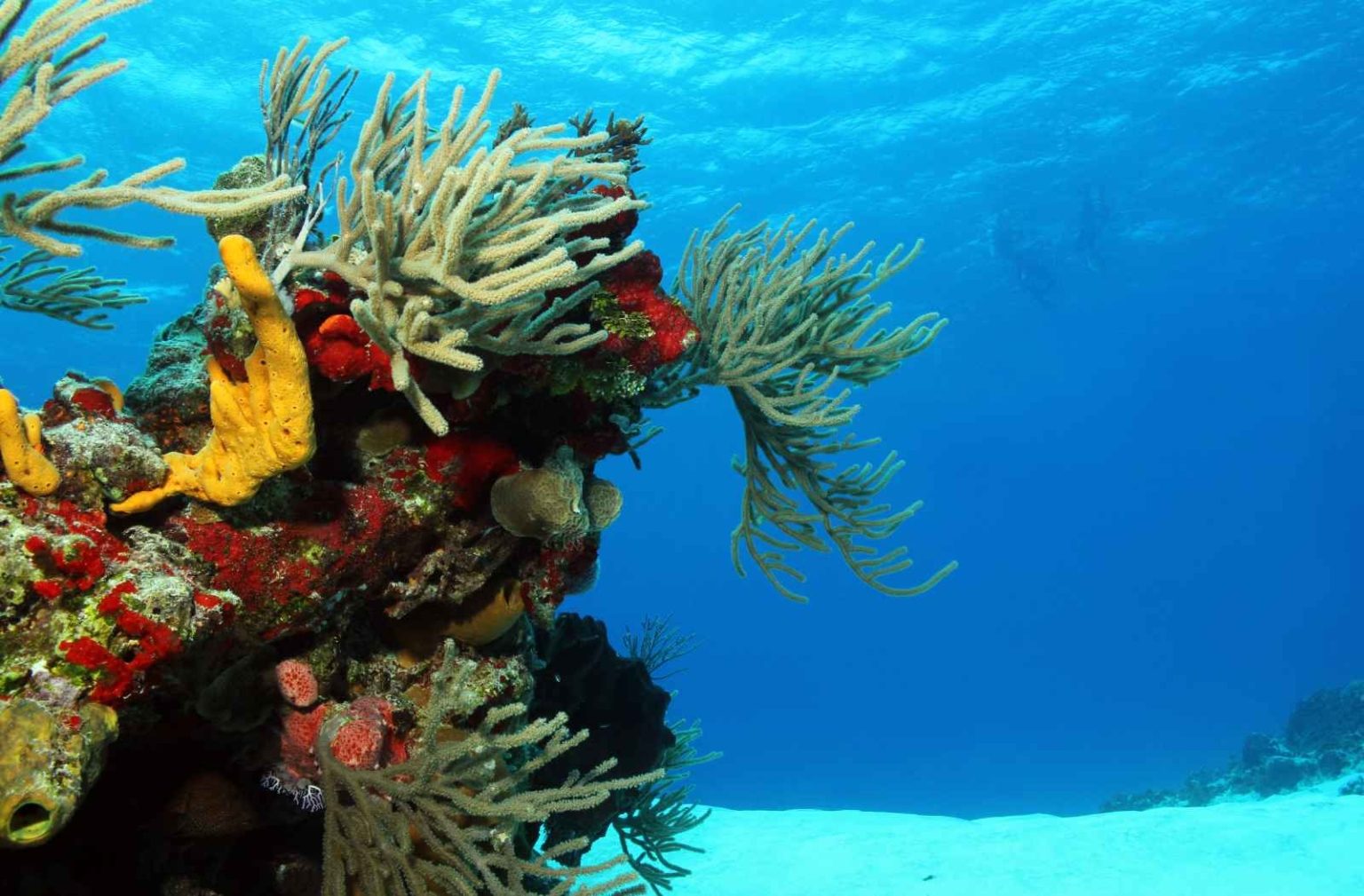
Cozumel National Marine Park contains 26 named coral formations, some rising within three feet of the surface. The park was established in 1996 to halt anchor damage and unregulated tourism that had degraded nearshore reefs during the cruise boom of the 1980s. Protection measures worked—coral cover has stabilized in monitored zones, and species counts now exceed pre-designation baselines in several sectors. The park's boundaries run from Punta Sur north to Paradise Reef, encompassing both shallow snorkeling sites and deep walls reserved for diving. Palancar Reef, Colombia Reef, and Yucab Reef lie within the protected zone, though access points vary. Most snorkelers enter from shore at Dzul-Ha, Chankanaab, or via permitted boat operators who anchor at fixed moorings. The marine park authority prohibits anchoring on live coral, feeding fish, or removing any biological material. Rangers patrol by boat and issue fines for violations. Cozumel reef snorkeling exposes you to nurse sharks, spotted eagle rays, and schools of blue tang that move through elkhorn coral colonies. Visibility ranges from 80 to 150 feet depending on weather and plankton levels. Water temperature holds between 78°F and 84°F year-round, though November through March brings occasional cold fronts that drop surface temps and stir sediment. The conservation fee funds the buoy system that prevents anchor strikes—one buoy costs roughly 15,000 MXN to install and maintain annually, and the park manages over 200 across its zone. Cruise passengers account for 60 percent of park visits, concentrating between 10:00 and 15:00 on days when ships dock. Arriving early avoids the surge and gives you access to reefs when light angles are optimal for photography. The park allows snorkeling until 22:00, but most operators stop ferrying clients by mid-afternoon. Solo shore entries remain possible through sunset if you stay within designated swim zones marked by surface buoys.

“Protection measures worked—coral cover has stabilized in monitored zones, and species counts now exceed pre-designation baselines in several sectors.”
Timing

The Optimal Arrival Window for Snorkeling in Cozumel National Marine Park

The best arrival window for snorkeling in Cozumel National Marine Park is 06:00–10:00. Arriving during this period allows visitors to avoid peak cruise ship crowds while benefiting from calmer morning water conditions.

March to June

Moderate; high in mid-day

Warm, 27–29°C; calm seas

These months offer high visibility and stable water temperatures for snorkeling. Planning arrival during the morning window ensures optimal water surface conditions.

July to October

Low; storm risk

Warm, 28–30°C; potential rain

While weather is warmer, this period coincides with hurricane season. Morning arrival is essential to clear the water before typical afternoon rain showers.

November to February

High; cruise ship peak

Cooler, 24–26°C; windy days

Crowds are significantly larger during these months. An early morning start remains the primary way to minimize contact with large tour groups.

Verdict: The optimal approach is to plan your arrival between 06:00–10:00, ideally during the months of April, May, or October to balance favorable weather and manageable crowd levels.

Opening hours

Operating Hours for Snorkeling in Cozumel National Marine Park

Cozumel National Marine Park operates on a consistent schedule throughout the week to accommodate visitors. The park is open daily for snorkeling activities.

Monday
06:00–22:00
Tuesday
06:00–22:00
Wednesday
06:00–22:00
Thursday
06:00–22:00
Friday
06:00–22:00
Saturday
06:00–22:00
Sunday
06:00–22:00
Visitors should coordinate with their authorized tour operators regarding specific vessel departure times and final access windows for the day.
Directions

Reaching Snorkeling in Cozumel National Marine Park

Cozumel National Marine Park is situated along the southwestern coastline of the island, with an official address at Carretera Costera Sur, Cozumel, Quintana Roo, Mexico. Access to the reef zones is primarily achieved via authorized marine transport departing from the main island piers.

Boat Variable —

Departure from San Miguel de Cozumel ferry terminal or hotel piers

Taxi 15–25 min —

Via Carretera Costera Sur to designated beach clubs or marina points

Car 20–30 min —

Drive south via Carretera Costera Sur

Plan your arrival for the 06:00–10:00 window to avoid peak cruise ship crowds and ensure calmer water conditions for snorkeling.

What to see

Key Reef Zones for Snorkeling in Cozumel National Marine Park

Cozumel National Marine Park protects a significant portion of the Mesoamerican Reef, characterized by diverse coral formations and high underwater visibility. The park's geography features various zones that support distinct marine ecosystems.

Palancar Reef

Palancar Reef

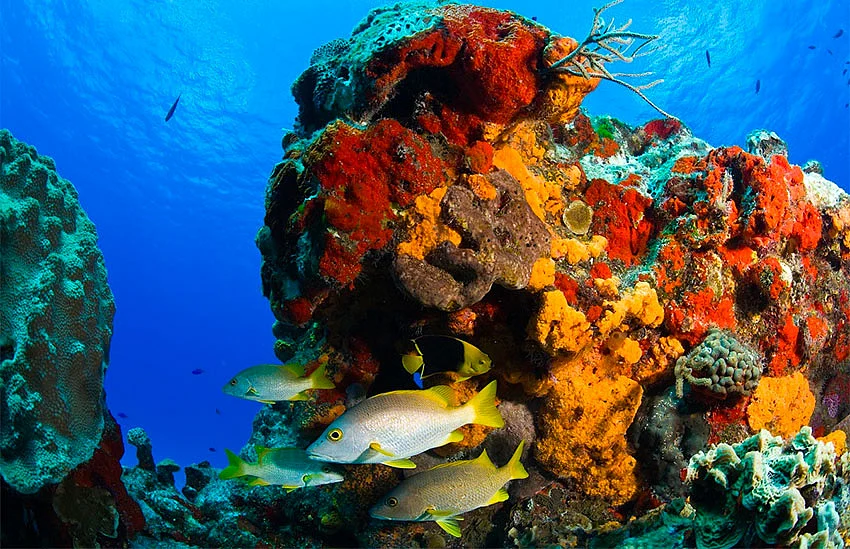
This extensive reef system is known for its large coral heads and varied topography, including swim-throughs and vertical walls. It is divided into several sections, such as Palancar Gardens and Palancar Caves, which cater to different experience levels.

Focus on the shallower gardens to observe diverse marine life.
Columbia Reef

Columbia Reef

Located at the southern end of the park, this area features massive coral pinnacles that rise from the seafloor. The depth and current often attract larger marine species and provide complex structures for fish populations.

Watch for eagle rays cruising near the base of pinnacles.

El Cielo

El Cielo

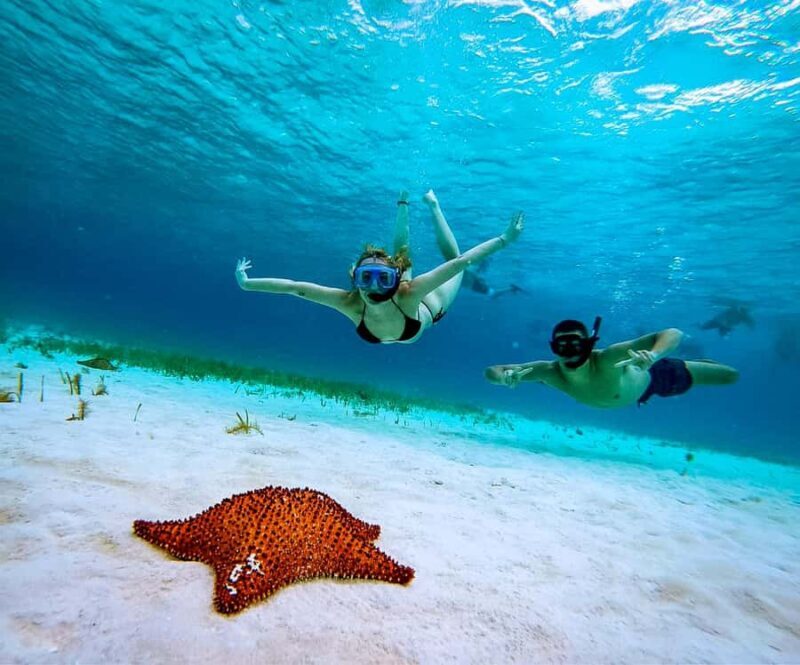
Named for the abundance of starfish found on its sandy bottom, this shallow area is accessible for surface swimming. The clear, calm waters allow for detailed observation of the seafloor landscape.

Look for starfish in the sand while avoiding physical contact.

Paraiso Reef

Paraiso Reef

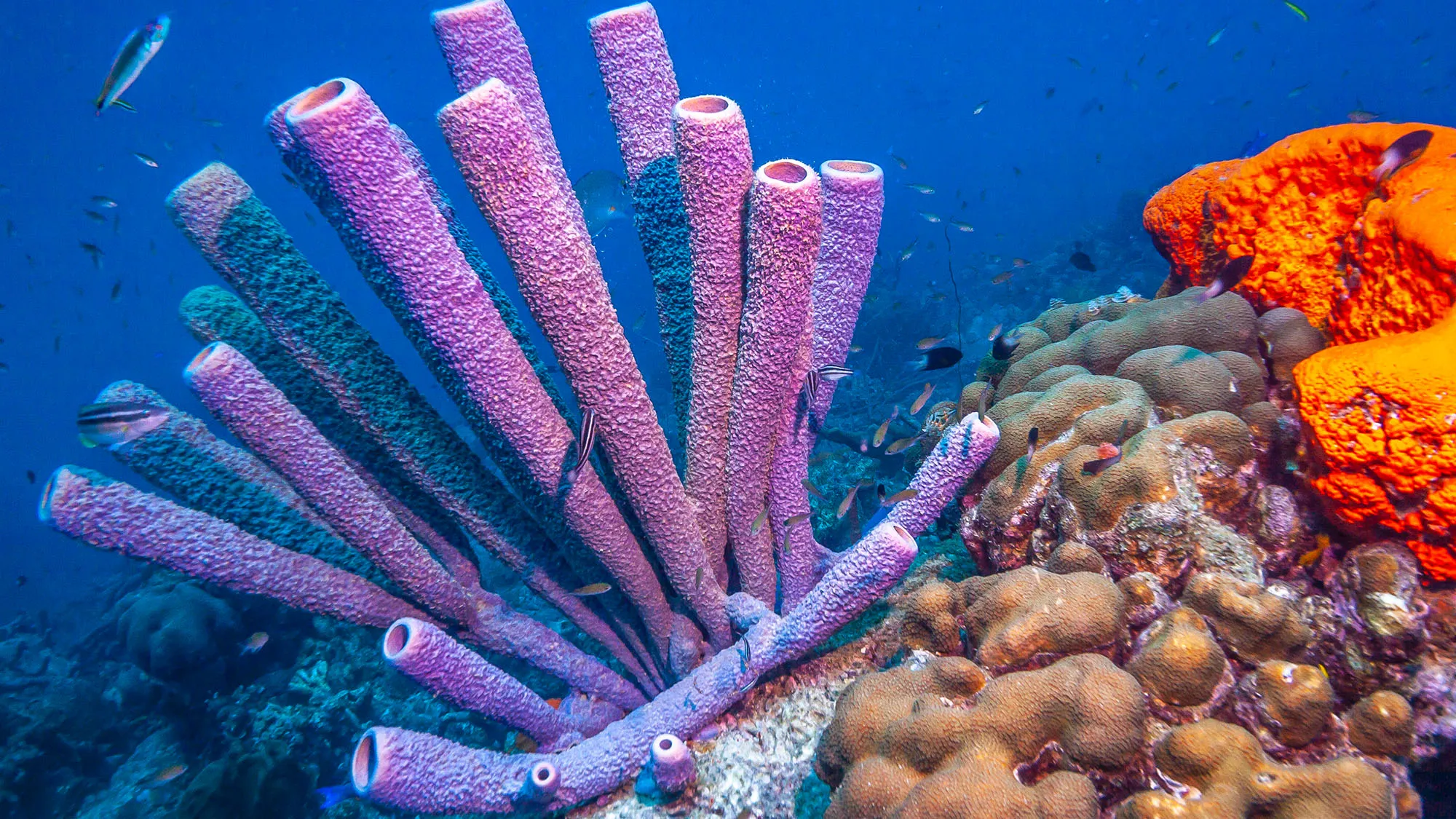
Situated closer to the coast, this reef is frequently visited due to its shallow depth and high concentration of coral and sponges. It offers an accessible environment for observing reef dynamics near the park boundary.

Explore the outer edges where coral heads are most dense.

Etiquette

Conservation Rules for Snorkeling in Cozumel National Marine Park

The park enforces strict conservation rules to protect its coral reefs and marine life. Following these guidelines ensures the ecosystem remains healthy for future visitors.

Do

  • Use reef-safe sunscreen without oxybenzone or octinoxate
  • Stay at least two meters from coral formations
  • Report any injured marine life to park staff
  • Secure all equipment to prevent loss in the water
  • Follow designated snorkeling routes and buoy markers
  • Rinse gear with fresh water after your visit

Don't

  • Touch, stand on, or collect any coral or marine organisms
  • Use aerosol sunscreens or chemical-based insect repellents
  • Feed fish or alter their natural behavior
  • Wear gloves while snorkeling in the park
  • Chase, corner, or harass sea turtles and rays
  • Leave any trash or equipment in the water
Book

Check availability

Frequently asked

Common Questions About Snorkeling in Cozumel National Marine Park

Everything you need to know about snorkeling in cozumel national marine park

What is the best time for snorkeling in cozumel national marine park?

The best arrival window is 06:00–10:00 to avoid cruise ship crowds and enjoy calmer waters. Planning your visit during these early hours ensures a more peaceful experience at the Cozumel Reefs.

Do I need to pay an entrance fee for Cozumel Reefs?

Yes, there is a conservation fee of 225 MXN per person for each day of in-water activity. This fee supports the preservation of the marine ecosystem within the national park.

Can I go snorkeling in cozumel national marine park without a guide?

While you may access the water via authorized operators, hiring a certified guide is highly recommended for safety and to learn about the coral formations and biodiversity. Guides are familiar with the currents and the protected areas of the park.

How do I reach the Cozumel National Marine Park area?

The park is located at Carretera Costera Sur, Cozumel, Quintana Roo, Mexico. You can reach the departure points for reef tours via taxi or pre-arranged transport from the main town or cruise terminals.

Are there specific rules when visiting Cozumel Reefs?

Yes, visitors must follow strict environmental regulations to protect the reef, including using only biodegradable sunscreen and not touching any marine life. These rules are enforced to maintain the health of the coral structures and aquatic habitats.

Is snorkeling in cozumel national marine park suitable for families?

Snorkeling in cozumel national marine park can be a rewarding activity for families with confident swimmers. Always ensure that children wear appropriately sized life vests and stay close to their guides during excursions.

What should I bring for a snorkeling trip?

You should bring a swimsuit, towel, eco-friendly sunscreen, and any personal underwater camera gear. Most boat tours provide snorkeling equipment like masks, snorkels, and fins, but confirming this with your operator is advised.

Does snorkeling in cozumel national marine park require a reservation?

While you do not need a reservation just to enter the park, booking a boat excursion in advance is recommended to secure your spot on a vessel. Planning ahead allows you to coordinate your travel with the optimal morning arrival time.

Keep reading

More guides & pages